~
 |
John Keats wrote
those words that so perfectly define
Autumn.
Two weeks ago the
clocks went back one hour - at least
they did here in Greece.
It always feels like something of a landmark to me when this date comes around
– definitely the end of summer at last. Man can impose his will on Time to some
extent but there is still little he can do about the weather, as we are once
again being reminded.

We were promised
storms a few days ago, after a long spell of mild and sunny weather, and sure
enough a storm arrived, right on time. Friends wrote on Facebook that snow fell
in Devon and Scotland and my
sister in Canada
said that three weather fronts were set to collide over her house in the next few
days – a multiple storm system labeled at once by the Americans, who have a way
with snappy sound bites – ‘Frankenstorm’!
Today, suddenly, here
in Corfu, it feels colder and a long-drawn out
autumn seems to be giving way to winter. Thoughts turn to log fires and
knitting and comfort food.
So I am going to
write about apples.

Robert Frost wrote
a poem called ‘After Apple Picking’ which implies that this apparently simple
rural routine is more of a mystery and a ritual than we realize.
Perhaps it is –
and autumn is after all the season that bridges life and death, that triggers
in creatures the instinct and the ability to do something that Man has not yet
mastered – to hibernate.
Autumn has
inspired many poets and songwriters – remember this?
The falling leaves drift by
the window
The autumn leaves of red and gold
I see your lips, the summer kisses
The sun-burned hands I used to hold
The autumn leaves of red and gold
I see your lips, the summer kisses
The sun-burned hands I used to hold
Since you went away the days grow long
And soon I'll hear old winter's song
But I miss you most of all my darling
When autumn leaves start to fall
And soon I'll hear old winter's song
But I miss you most of all my darling
When autumn leaves start to fall
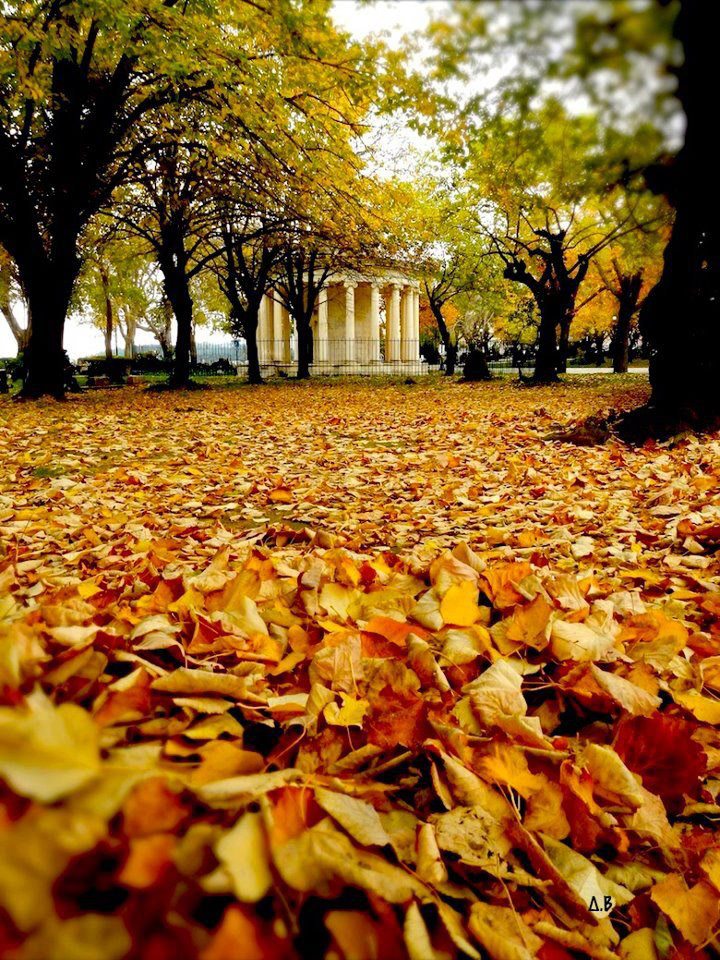
Above all, for me
at least, autumn is a time of nostalgia tinged with a little mild melancholy.
It is a time to
meditate and contemplate and think about – apples.
 |
Cezanne painted apples -

-over and over again

and so did Grandma Moses
Why apples? It’s
just that some of my happiest childhood memories are about apples and picking
plums and blackberries, and helping my mum make jam. We had apple and plum
trees in our garden then, and I remember
my favourite uncle used to make a weekly visit to check the fruit for ripeness.
The first blush of ripe redness on the Worcester Pearmains, the first soft
yielding of the huge Victoria plums to a surreptitious squeeze, were greeted
with cries of delight by Uncle Frank. He would be the first to sample the autumn
fruit again!

It’s a pity that
these days if you mention ‘apple’ to someone, the first thought that flashes
into their mind is likely to be about computers. Google ‘apple’ without any
further qualifying words, and Steve Jobs pops up.
Say ‘apple’ to a
person of my age, however, and a host of wonderful memories and associations is likely to burst out of the memory banks.
No-one knows for
sure what the fruit was that Adam and Eve ate with such disastrous consequences.
Historically, all fruit that was not a berry was called an apple and the
Biblical apple may well have been a pomegranate but apples featured strongly in
Greek mythology and this could have influenced the interpretation of the story
of the Original Sin. The Forbidden Fruit has been identified variously as the
fig, the grape, a type of mushroom and even the Datura, a variety of which is
known as – Thorn-Apple!
Apples have been
around for thousands of years, originating in the mountains of Western Asia,
and subsequently carried, with the westward migration of humanity, to Europe
and the Mediterranean basin and on to North America
and ultimately the rest of the world.
Truly a universal
fruit.

Today there are
more than 7500 varieties of apple, yet ‘thanks’ to the influence of supermarkets
it sometimes seems that there are only three types of apple available - red,
green and yellow. In fact the most widely grown and sold modern apple varieties
are ten in number and include Macintosh (red), Granny Smith (green) and Golden
Delicious (yellow).
Greek
supermarkets are no different from their counterparts in other countries in the
range of apples on sale, but some of them, and certainly the markets, also sell
the sweet, tiny Firikia apples that used to grow only in the Mount
Pelion region. Another well-known Greek apple is called
‘Xinomilo’, literally ‘sour apple’, which it certainly is.

Greek Firikia apples
Here in Corfu, we tend to eat our fruit and vegetables according
to their own natural season. All summer we revel in sweet juicy ‘soft’ fruits
such as strawberries, apricots, cherries, peaches and nectarines, melons, figs,
plums and grapes. Come the first rains,
the cooler days and chilly evenings, and the first seasonal apples and pears
begin to appear.
Modern storage
methods mean that we can if we wish buy apples and pears all year round at the
supermarket, but there is nothing quite like the taste and texture of a fruit
that has ripened naturally. To me, there is, moreover, nothing like an English
apple, one of the old-fashioned varieties that are at last enjoying a revival
of interest.

Perhaps the most
famous and best-loved English apple is the Cox’s Orange Pippin. The names of
the great apples read like poetry – Worcester Pearmain, Laxton Superb, Bramley, Blenheim Orange, Five Crown Pippin and the Beauty of Bath, that always
sounds to me like a character from Chaucer.
When I was a
child, born and brought up in Essex, still a
very rural county in those days, I had an Uncle who was Head Gardener at an old
estate.


The house was
called Gosfield Hall and was built in
1545 by a member of Cardinal Wolsey’s household. Like so many of the great houses
of that period, it was visited more than once by Queen Elizabeth I and her
entourage.

Gosfield Hall underwent various additions and renovations
over the centuries but by the middle of the 20th century, after a
few years of war service as a billet for members of the American Air Force, it
was virtually abandoned and my uncle was more the Last Gardener than the Head
Gardener. Alone, he struggled against the advances of Nature and concentrated
on keeping the old walled garden and the fruit trees in good repair.

I loved that
garden. It dated back to Elizabethan times and had beds planted with herbs and
vegetables, neatly raked paths bordered by giant lavender bushes and a row of
espaliered peach and apple trees that clung to the rose-red bricks of the old,
often sun-drenched, walls.


My favourite
place, however, was the apple loft.
If you Google
‘apple loft’ you will be offered an endless selection of accommodation, in
Britain and North America for the most part, most of it described as ‘former’
or ‘converted from’ old apple lofts.
There is no
mention of the apple lofts I remember, and there are no photos.
Gone forever, perhaps,
like so much of our English rural history.
I used to climb
the outside wooden stairs up to the lofts, which were dim, the only light
coming from small cobweb -festooned
windows. The lofts were dry and
airy, lined with simple shelving and the central areas were occupied by big
tables on which were trays and trays of apples.

My uncle used to
set me to work – I had to earn the generous tea that would be provided later,
with scones and fruit cake baked by my Auntie May.
I had to sort
through the trays, checking for any sign of rot or mould, making sure that the
apples were not touching each other. Spoiled apples went into a special bin,
the ‘cider-bin’, to be used later for making cider.
Uncle Will grew
English apples, mostly Cox’s for eating and big green Bramleys for cooking.
Superb baked in the oven with brown sugar, lemon juice and cloves, Bramleys
made a fluffy crumble and a fine apple pie.
Good apple pies are a
considerable part of our domestic happiness." -- Jane Austen
Auntie May used
to core and peel apples and slice them into rings which she then hung on
strings in a dry, preferably sunny, place, to make chewy dried apple for winter
use. She also pickled eggs, walnuts and onions, as did my grandmother. Ladgie
(my grandma) also tried her hand at making ginger beer, with disastrous results
– the explosion almost wrecked our stairs, under which the big stone flagons
were stored in the dark to ferment and mature.
In those days
too, we used to tour the countryside in late summer and early autumn, seeking
out the plums and damsons and wild sloe berries that would be turned into jams
and hugely alcoholic beverages.
Bitter Seville oranges would be
snapped up as soon as they appeared at the greengrocer’s shop, to be turned
into tangy marmalades, sometimes spiked with ginger and/or whisky.

Visits to Uncle
Will and Auntie May were memorable in many ways, none more so though than the
sight of a brood of chickens using an ancient Rolls-Royce as a chicken coop.
Along with the old Hall, the car had fallen into decay and disuse, until the
hens discovered it. Once, it must have looked like this.

I leave the rest
to your imagination.
A is for Apples –
and Apple Pie and Apple Cake. Recipes abound for these dishes but few call for
as much patience and devotion as this one

Finished off with
innumerable pastry leaves, each one fashioned individually.
When I worked in
an office at Nissaki, Corfu, set beside the
local church, the local cafeneion and the mini-market, the local ladies vied
with each other to bring me the tastiest morsels. Our office cleaner made a
mean apple cake, with roughly cut apples and a hefty pinch of cinnamon. The
woman who ran the mini-market sent upside-down apple cake drenched in icing
sugar and dripping with syrup. Asked to
say which was the most delicious, I felt as if I were being asked to make some
mythological judgment, possibly with frightful consequences. I played it safe
and declared a tie.

I was chilly with the November breeze,
and it was a courtly thing you did
draping the sweater over my shoulders,
taking care to smooth the wool
with a touch that whispered
that later you would claim the garment,
and the shiver taking it would bring
was something you coveted
with breathless avarice.
“Sweater weather,” you said.
And I am swept like a crisp oak leaf
into a duvet and down dream,
where the pillows do not speak
of the warm, the moments large and small
when I nestle near you,
demanding that arms dress me
to close kept comfort.
Arms around my waist,
legs entwined to akimbo,
and my last thought before sweet drowse
is that fall will never come
without you to chase the cold
in the season of sweater weather.
Sweater Weather by Lisa Shields
.


